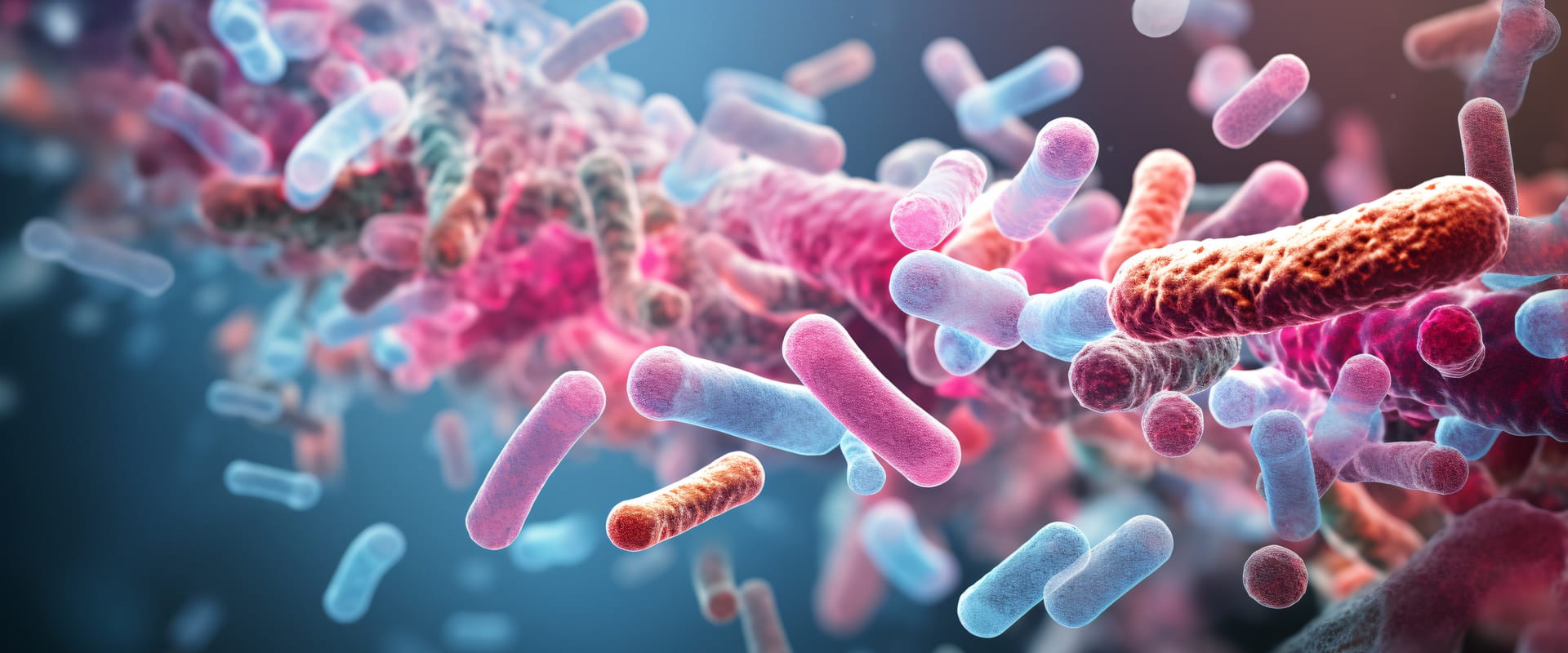
The evidence-based case for 42-strain probiotic formulation, Gold Shield encapsulation technology, and why most commercial probiotics fall short of their clinical potential.
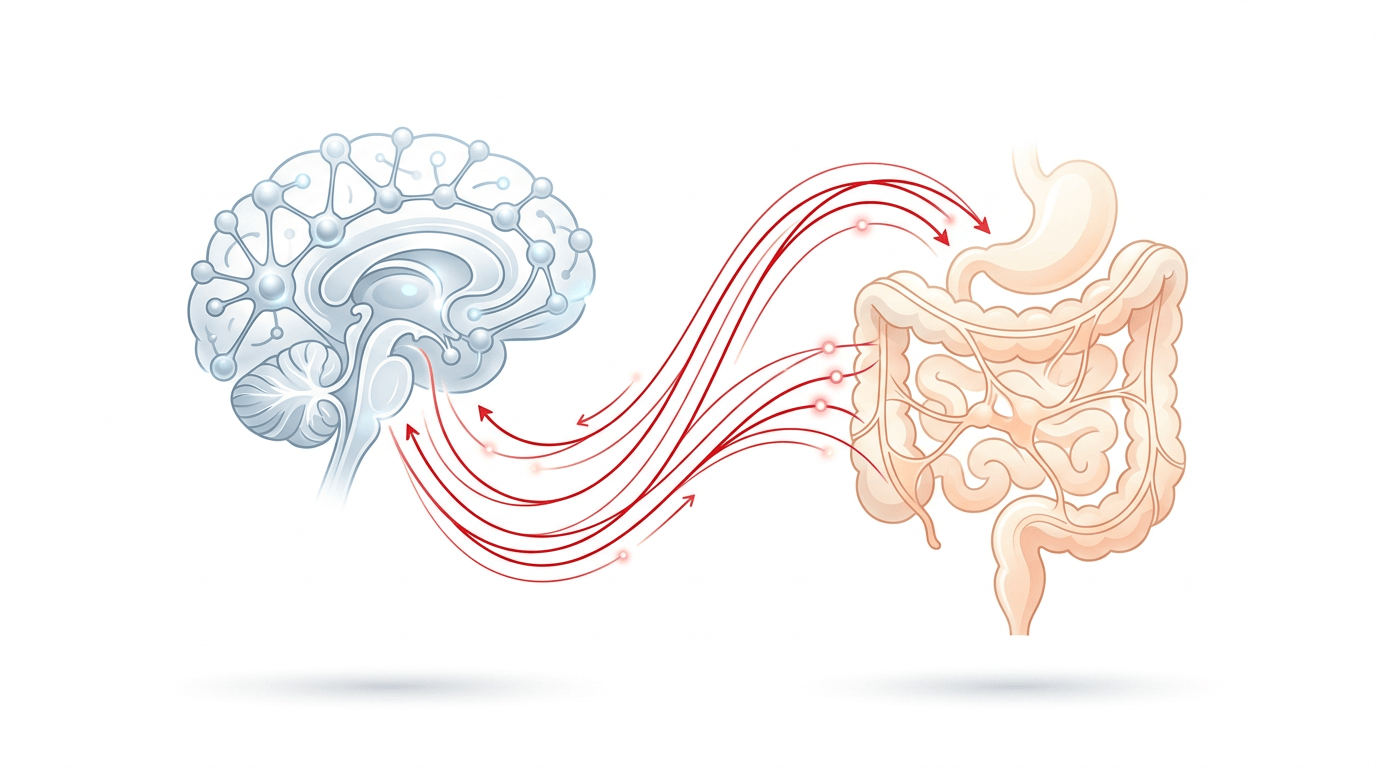
Your gut microbiome produces neurotransmitters that directly influence brain function through the vagus nerve
100 trillion bacteria producing neurotransmitters
Mood regulation, sleep, appetite control
Calming effect, reduces anxiety
Motivation, reward, focus
Receives 90% of signals from gut, not the reverse
Alters gut permeability, motility
100 trillion bacteria producing neurotransmitters
Receives 90% of signals from gut
Serotonin (5-HT)
Mood regulation, sleep, appetite control
GABA
Calming effect, reduces anxiety
Dopamine Precursors
Motivation, reward, focus
Cortisol Signal
Alters gut permeability, motility
The human gut microbiome contains approximately 38 trillion microbial cells representing over 1,000 species. It functions as an organ — one that your body did not evolve to operate without, and one that modern life disrupts in ways your ancestors never faced.
The microbiome is not isolated to digestion. Research published in the past decade has established direct functional connections between gut microbial composition and:
Immune regulation — Gut-associated lymphoid tissue (GALT) represents 70–80% of the body's total immune system. The microbiome continuously trains immune cell populations to distinguish self from non-self, commensal from pathogen.
Neurological function — The gut-brain axis, mediated primarily by the vagus nerve and modulated by gut-derived neurotransmitters (including 90% of the body's serotonin), is a bidirectional communication highway. Microbiome composition correlates with mood, cognitive function, and stress response.
Metabolic regulation — Short-chain fatty acids (SCFAs) produced by fermentative bacteria influence insulin sensitivity, adipose tissue function, and systemic inflammation markers. Butyrate, propionate, and acetate are not metabolic afterthoughts — they are signaling molecules.
Epigenetic influence — SCFAs act as histone deacetylase inhibitors, directly influencing gene expression in intestinal epithelial cells and immune populations.
The human gut is anatomically and biochemically diverse. The proximal intestine operates at a different pH, under different enzymatic conditions, with different resident microbial populations than the distal colon.
No single bacterial strain is capable of providing meaningful benefit across this entire ecosystem. A probiotic formula's clinical impact is bounded by its diversity.
ABTIDE's 42-strain matrix — developed with Tract Lab Canada — was selected based on published clinical evidence for each strain class, complementary colonization niches, and documented human tolerability across diverse populations.
"Most commercial probiotics contain what is cheap to produce. We contain what the research supports."
Therapeutic colonization requires competitive advantage. The gut already contains 38 trillion resident organisms — many of which have adapted to defend their ecological niches.
Introducing 1–10 billion CFU (the typical commercial probiotic dose) into this environment is comparable to sending a small delegation into an established, densely populated ecosystem and expecting meaningful change.
6 trillion CFU provides a meaningful competitive inoculum. The numbers matter.
The stomach maintains a pH of 1.5–3.5 in the fasted state. This environment destroys most bacteria. Standard probiotic capsules, enteric-coated tablets, and basic delayed-release formulations typically survive gastric transit at rates below 30%.
Our Gold Shield™ 6-layer encapsulation technology protects live bacteria through sequential acid-resistant coating layers engineered to survive the gastric environment and release in the neutral pH of the small intestine and colon.
Independent challenge testing: greater than 95% bacterial viability through simulated gastric acid conditions.
Tract Lab Canada is a specialized gut microbiome research organization that has collaborated with ABTIDE since 2016. The partnership has produced:
Delivering live bacteria to the colon is necessary but not sufficient. Bacteria require substrate to establish and sustain colonization.
Our formulas include 7 types of prebiotics — fermentable fibers and oligosaccharides specifically selected to support the metabolic preferences of our 42-strain matrix. This is not a generic prebiotic blend. It is a nutritional profile designed to support the specific organisms we deliver.
Three postbiotic compounds provide additional mucosal support and establish a favorable environment for bacterial colonization independent of the live organisms themselves.
| Parameter | ABTIDE 6T | Typical Premium Probiotic |
|---|---|---|
| Bacterial strains | 42 | 1–10 |
| CFU per dose | 6 trillion | 1–50 billion |
| Prebiotic co-factors | 7 types | Rare |
| Postbiotic compounds | 3 types | Uncommon |
| Delivery technology | 6-layer Gold Shield™ | Basic enteric coat |
| Research partnership | Tract Lab Canada | Typically none |
| Patents | 32 | Typically none |
ABTIDE — Gut Health as a Clinical Discipline Developed in Vancouver, Canada
Ready to Begin Your Protocol?
25 years of research · 78 global patents · Formulated for you.