NMN vs. Ergothioneine: NAD+ Fuel Versus OCTN1-Mediated Mitochondrial Protection
Longevity shelves often place NMN and ergothioneine side by side. Biologically, they solve different problems — and the smarter frame is complementarity, not competition.
Two Molecules, Two Jobs
NMN (nicotinamide mononucleotide) is a precursor in the pathway that generates NAD+, a cofactor required for hundreds of redox reactions and for sirtuin and PARP-related signaling. Interest in NMN comes from observations that NAD+ levels can decline with age in some tissues, and from preclinical work on NAD+ restoration.
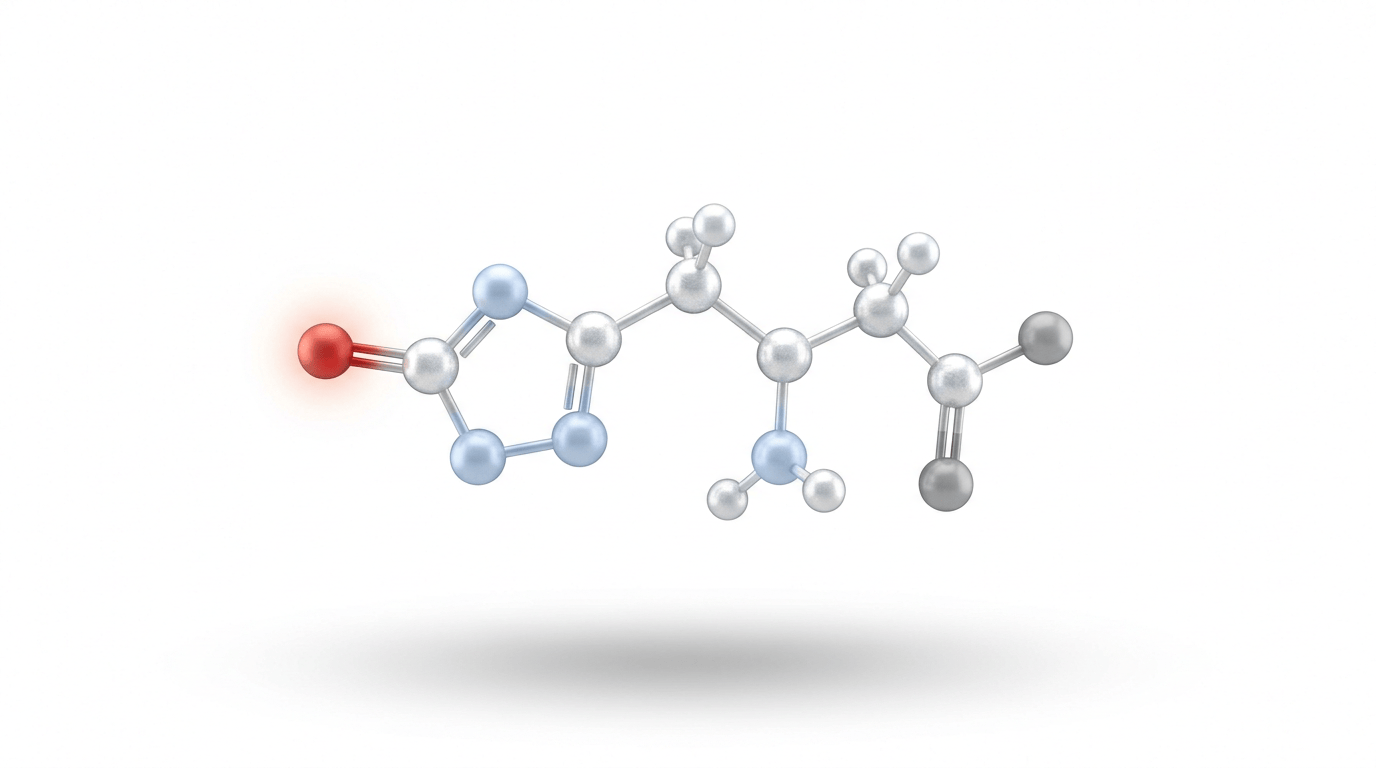
L-Ergothioneine is a dietary thiourea antioxidant that human cells actively import through OCTN1 / ERGT1 (SLC22A4). It concentrates in oxidatively stressed compartments, including mitochondria, and shows unusually long tissue retention compared with vitamins C or many polyphenols.
| Dimension | NMN | Ergothioneine |
|---|---|---|
| Core role | NAD+ precursor / metabolic cofactor support | Transporter-retained antioxidant |
| Uptake logic | Nucleotide/precursor pathways (still an active research area) | Dedicated OCTN1 transporter |
| Retention | Pathway-dependent; not a 30-day antioxidant reservoir story | Extended tissue half-life via transporter and renal reabsorption |
| Primary metaphor | Fuel for NAD+-dependent enzymes | Shield for redox-stressed organelles |
Neither molecule is a drug for aging. Both are discussed here in structure/function and educational terms only.
Why “Which Longevity Molecule Wins?” Is the Wrong Question
NAD+ metabolism and oxidative defense interact, but they are not interchangeable:
- Raising NAD+ availability does not automatically solve mitochondrial ROS load
- Buffering ROS with ergothioneine does not replace NAD+ as a hydride-transfer cofactor
A person focused on cellular energy metabolism may evaluate NAD+ precursors. A person focused on long-retention antioxidant capacity in OCTN1-expressing tissues may evaluate ergothioneine. Many longevity-oriented stacks consider both under clinician or informed self-experimentation frameworks — without pretending either slows aging markers.
For ergothioneine’s transporter biology, see what ergothioneine is. ABTIDE’s formulation focus on ergothioneine is summarized under ergothioneine products and ergothioneine research.
Regulatory Notes — United States, Carefully Stated
Ergothioneine: High-purity L-ergothioneine has been evaluated in the U.S. under GRAS (Generally Recognized as Safe) pathways for certain food/supplement uses, and European assessments (including EFSA evaluations related to novel food authorizations for specific preparations) have also addressed safety for defined conditions of use. Always verify the specific ingredient’s regulatory status for your market and manufacturer.
NMN: The U.S. regulatory status of NMN as a dietary supplement ingredient has been uncertain and evolving, with FDA communications and industry responses shifting over time regarding whether NMN may be marketed as a supplement. This article does not provide legal advice. Brands and consumers should verify current FDA guidance and competent legal counsel before making labeling or purchase assumptions.
This piece intentionally avoids China-market regulatory framing. Global readers should check local rules.
How to Think About Stacking
A restrained complementarity model:
- Foundations first: protein/EAAs, sleep, resistance training, cardiorespiratory fitness, dietary pattern quality (science overview)
- Ergothioneine for OCTN1-mediated antioxidant reservoir support
- NMN or other NAD+ precursors only with eyes open on regulation, personal tolerance, and realistic expectations
- Re-measure what you can (training metrics, clinician-ordered labs) rather than chasing longevity folklore
ABTIDE’s published focus in this comparison is the ergothioneine and amino-acid architecture — not an NMN product pitch.
Consumer longevity culture often collapses distinct mechanisms into a single “anti-aging” aisle. Resist that collapse. Ask of each ingredient: What pathway? What human evidence tier? What regulatory status in my market? What adverse-effect and interaction profile? Molecules that share a shelf do not share a mechanism.
If budget forces a choice, prioritize foundations and the ingredient whose mechanism matches your primary constraint — redox retention versus NAD+ precursor support — rather than buying both for fear of missing out.
Non-Claims
Neither NMN nor ergothioneine is presented here as a treatment for aging, neurodegeneration, metabolic disease, or any other condition. “Longevity” in consumer language is not a recognized therapeutic indication for dietary supplements. Human evidence tiers differ by outcome and study design; mechanistic plausibility is not clinical proof. Prefer transparent labels, realistic expectations, and clinician input when you have chronic disease or take prescription medications.
These statements have not been evaluated by the Food and Drug Administration. This product is not intended to diagnose, treat, cure, or prevent any disease.
ABTIDE Wellness — Vancouver. Educational content only.