The Gut–Skin Axis: How Barrier Biology Links Digestion and Skin Appearance
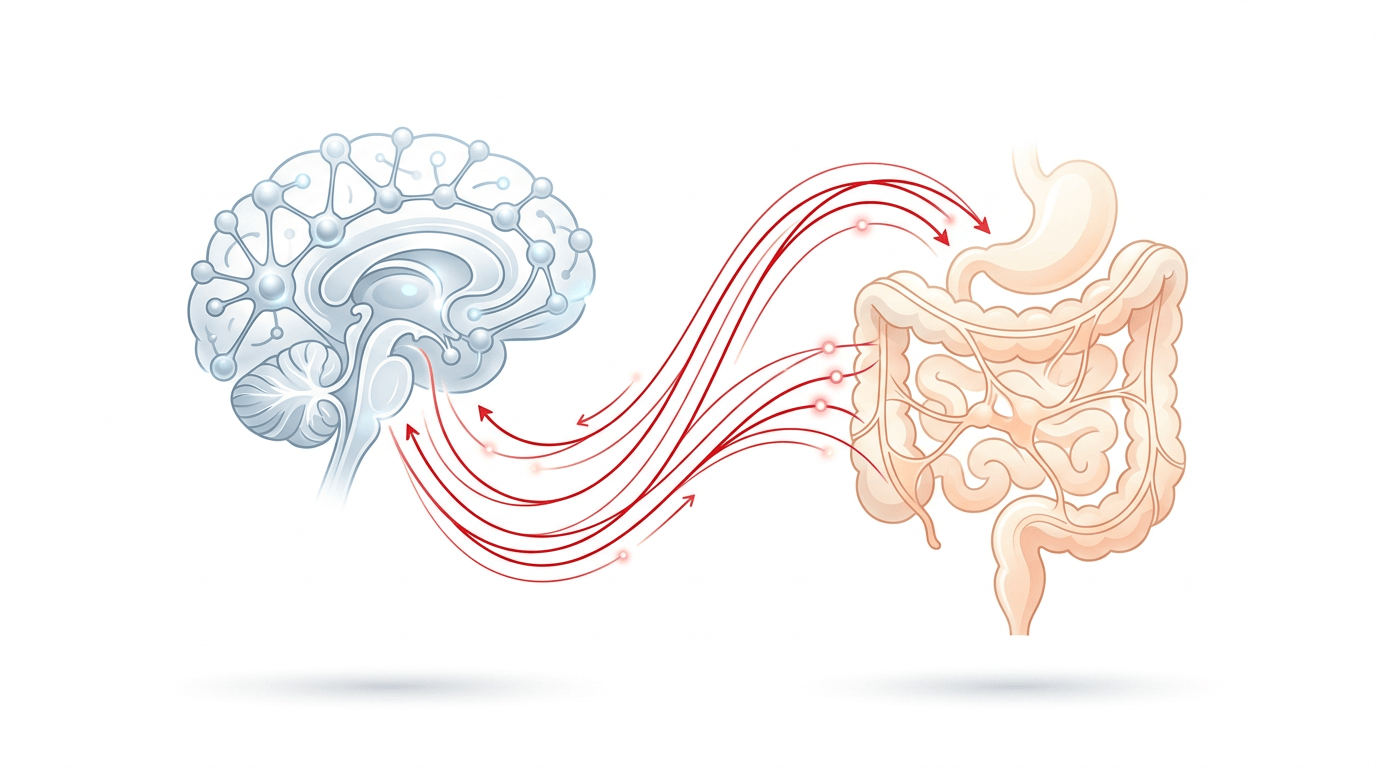
Your skin and your gut are both barrier organs with dense immune surveillance. When researchers talk about a “gut–skin axis,” they mean shared signaling — not a promise that a capsule will clear a dermatologic disease.
Two Barriers, One Immune Conversation
The intestinal epithelium and the epidermis both separate the body from a complex external world. Both rely on:
- Tight junctions and mucus (gut) or stratum corneum lipids (skin)
- Resident microbial communities that educate immune tone
- Cytokine and metabolite signals that can travel systemically
When gut barrier function is stressed — through dysbiosis patterns, ultra-processed dietary patterns, sleep loss, or other insults — immune activation and microbial metabolites can change in ways that researchers study in relation to skin inflammatory tone. Correlation and mechanism are active research areas; mechanism is not a treatment claim.
This article uses structure/function language only. It does not claim that diet or supplements treat, cure, or prevent eczema, acne, psoriasis, rosacea, or any other skin disease. Persistent rashes, infections, or severe symptoms belong with a dermatologist or qualified clinician.
What the Axis Is — and Is Not
Is: a systems model connecting gut ecology, barrier integrity, immune signaling, and skin as a distant readout.
Is not: a one-pill dermatology protocol. Skin outcomes also depend on topical care, hormones, genetics, UV exposure, medications, and local skin microbiome — factors a probiotic alone cannot override.
For the neural and immune cousin of this conversation, see the gut–brain axis. For broader inflammatory aging context, see inflammaging and precision nutrition.
Barrier Integrity: The Shared Theme
In the gut, a single-cell epithelial layer plus mucus and tight junction proteins regulates what enters circulation. Compromised barrier function can increase translocation of microbial components that activate innate immunity. Systemic low-grade inflammatory tone is then a plausible bridge to distant tissues — including skin — in research models.
Nutrition levers that support normal barrier biology (structure/function framing):
- Dietary fiber diversity — substrates for short-chain fatty acid production by resident microbes
- Adequate protein / amino acids — building blocks for tissue turnover (amino series; amino research)
- Omega-3 membrane support — fatty-acid composition of cell membranes (Essentials; krill oil science)
- Thoughtful probiotic ecology support — strain-specific organisms delivered viable to the intestine
None of these “seal leaky gut” as a disease cure. They support the nutritional and ecological conditions under which barriers do their ordinary job.
Probiotics: Ecology Tools, Not Dermatology Drugs
Probiotics are live microorganisms that, when administered in adequate amounts, may confer a health benefit. For skin-adjacent education, the honest framing is:
- Strain identity matters more than genus marketing (probiotic buying guide)
- Survivability through stomach acid matters (probiotic series)
- Effects, when present, are typically modest and individual
- Immunocompromised individuals and those with central lines or severe illness need clinician clearance
ABTIDE discusses multi-strain delivery and encapsulation as gut ecology and barrier-support architecture — not as prescription dermatology.
If you are choosing a probiotic because of skin concerns, keep expectations structure/function: supporting microbial balance and gut barrier nutrition — while you pursue appropriate topical or medical care for diagnosed skin disease.
Skin Barrier Nutrition Without Overclaim
Skin appearance also reflects local barrier lipids, hydration, and UV-related oxidative load. Cellular antioxidant conversations — including ergothioneine and photoaging context and oxidative stress defense — sit adjacent to, but separate from, gut ecology. Product map for OCTN1-retained antioxidant support: ergothioneine series / research-ergo. Systems overview: Our Science.
A coherent stack is layered:
- Sleep, stress load, and dietary pattern quality
- Fiber-forward eating and protein adequacy
- Membrane fatty acids as indicated
- Probiotic ecology support with transparent strains
- Dermatologic care when disease is present
Skip the last step when disease is present, and no axis article can compensate.
Decision Framework (Educational)
| If your goal is… | Prioritize… | Avoid… |
|---|---|---|
| General gut–skin education | Fiber diversity, sleep, strain-transparent probiotics | “Clears acne in 7 days” claims |
| Barrier nutrition support | Protein/EAAs, Omega-3 adequacy, gut ecology | Megadose random antimicrobial stacks |
| Diagnosed eczema/psoriasis/acne | Board-certified care + nutrition as adjunct | Replacing prescribed therapy with supplements |
Microbiome testing can sometimes inform curiosity; it rarely dictates a skin drug. See gut microbiome testing and nutrition.
Non-Claims
Dietary supplements are not intended to diagnose, treat, cure, or prevent any disease — including eczema, acne, psoriasis, or other dermatologic conditions. Do not discontinue prescribed topicals, biologics, or antibiotics based on gut–skin axis education.
These statements have not been evaluated by the Food and Drug Administration. This product is not intended to diagnose, treat, cure, or prevent any disease.
ABTIDE Wellness — Vancouver. Educational content only.