
Gut Microbiome and Immunity: The Axis, Barrier Function, and Probiotic Literacy
Most immune tissue lives in and around the gut. Microbial communities educate immune cells, produce metabolites, and help maintain barrier integrity. Supporting that ecology is precision nutrition — not a claim to treat autoimmune disease, infection, or immunodeficiency.
The Gut–Immune Axis Without Hype
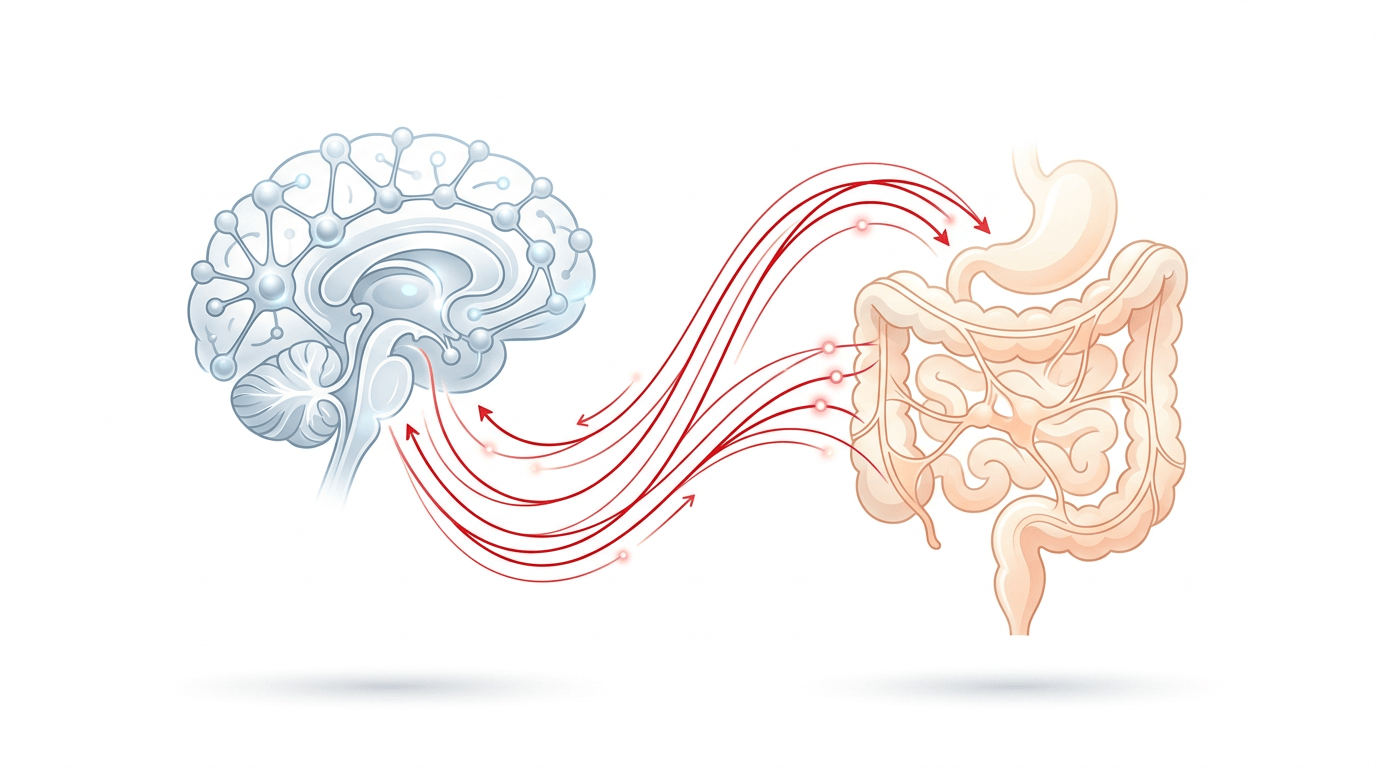
The intestinal lining is a selective barrier: nutrients in, most microbes and toxins out. Beneath it, gut-associated lymphoid tissue constantly samples microbial signals. Outcomes of that conversation include immune tolerance to food and commensals, readiness against pathogens, and systemic inflammatory tone when the barrier is stressed.
Key educational pieces:
- Microbial diversity and substrate supply (dietary fibers, polyphenols) shape metabolite output
- Short-chain fatty acids (SCFAs) such as butyrate fuel colonocytes and participate in immune regulation research
- Pattern-recognition signaling links microbial molecules to innate immune pathways — useful as a map, easy to overclaim in marketing
Structure/function goal: support a resilient gut ecosystem and barrier environment. Dietary supplements are not intended to diagnose, treat, cure, or prevent any disease.
Adjacent systems: gut–brain axis, immunosenescence nutrition, inflammaging. Overview: Our Science.
Barrier Integrity Is a Nutrition Problem Too
Barrier function depends on tight-junction proteins, mucus, immune surveillance, and microbial competition. Ultra-processed dietary patterns, chronic sleep loss, and low fiber intake are everyday stressors. Alcohol excess and certain medications can also disrupt ecology — discuss deprescribing or timing only with a clinician.
Food-first supports:
- Diverse plants across the week (aim for variety, not perfection theater)
- Fermented foods if tolerated
- Adequate protein for tissue repair (amino series; amino research)
- Polyphenol-rich colors that microbes metabolize
Bioavailability and matrix still apply to polyphenols and minerals: nutrient bioavailability guide.
Probiotics: Strain Identity Over “Billions” Theater
A probiotic is a live microorganism that, when administered in adequate amounts, may confer a health benefit. Effects are strain-specific. Genus-only blends without identifiers cannot be mapped to research.
Buyer literacy (condensed from the full guide):
- Full strain IDs on the label
- CFU through end of shelf life, not only at manufacture
- Survivability / encapsulation story that matches gastric reality
- Structure/function claims only — no disease-cure language
Deep dive: science-based probiotic buying guide. ABTIDE evidence and formulation rationale: probiotic research. Product lane: probiotic series.
Prebiotics (fibers selectively used by beneficial microbes) and postbiotics (inactivated microbes or their components) are related tools — not interchangeable with live probiotics.
Immunity Conversations That Stay Honest
Appropriate structure/function angles:
- Support microbial diversity and barrier-associated immune education
- Support GI comfort patterns when evidence and strain match the use case
- Pair gut support with systemic foundations (protein, vitamin D adequacy, sleep)
Inappropriate leaps:
- “Cures leaky gut disease” as a diagnosis-treatment claim
- Prevents COVID-19 or any infection as a supplement disease claim
- Treats IBD, celiac disease, or immunodeficiency
Medical GI disease needs medical care. Nutrition supports ecology around that care.
Zinc and vitamin D adequacy remain parallel micronutrient conversations (zinc immunity; vitamin D guide), not substitutes for strain-literate probiotics.
Aging, Antibiotics, and When to Be Extra Cautious
Older adults often show reduced microbial diversity and higher antibiotic exposure — one reason immunosenescence articles emphasize gut levers. After antibiotics, food diversity comes first; probiotics may be considered with clinician input, especially in vulnerable patients.
Immunocompromised individuals, those with central lines, or people with severe acute illness should not self-prescribe high-dose probiotics without medical guidance.
Cellular redox adjuncts such as ergothioneine address a different compartment (ergothioneine; research-ergo) — complementary, not a microbiome replacement.
A Practical Gut–Immune Sequence
- Diversify fibers and plants
- Sleep and manage alcohol
- Cover protein needs (products/amino)
- Choose probiotics with strain + CFU-through-expiry transparency (research-probiotic; products/probiotics)
- Keep micronutrient foundations honest via Essentials when diet gaps persist
- Remeasure symptoms and, when ordered, relevant labs inside a precision nutrition loop
Catalog entry point: products.
Bottom Line
The gut–immune axis is real biology: barrier, metabolites, and strain-specific microbes. Support ecology with food and literate probiotics. Link the research trail at research-probiotic. Leave infection and immune-disease treatment claims out of the bottle.
These statements have not been evaluated by the Food and Drug Administration. This product is not intended to diagnose, treat, cure, or prevent any disease.
ABTIDE Wellness — Vancouver. Educational content only.