One-Carbon Nutrition and DNA Methylation: Folate, B12, B6, Choline, Betaine, and MTHFR Nuance
DNA methylation is an epigenetic mark that helps regulate gene expression. The methyl groups used in that chemistry come from one-carbon metabolism — a nutrient-dependent network. Supporting cofactor adequacy is precision nutrition. Claiming to “reverse aging” is not.
Methylation Is Chemistry, Not a Detox Slogan
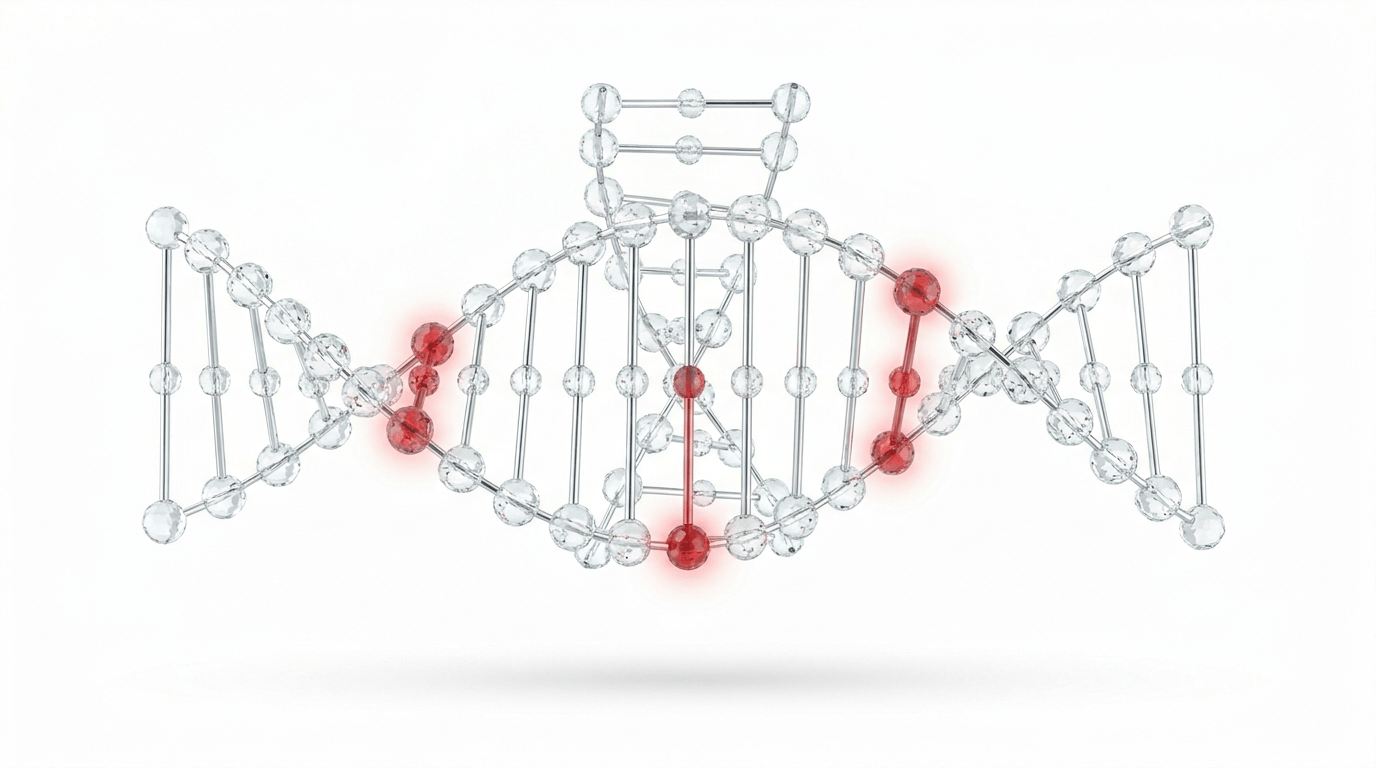
DNA methylation typically involves transfer of a methyl group to cytosine in CpG contexts, influencing chromatin accessibility and transcription. Patterns of methylation across the genome shift with development, environment, and chronological age — the basis of epigenetic clocks discussed in Epigenetic Aging.
Those methyl groups are not conjured by willpower. They are supplied through S-adenosylmethionine (SAM), the universal methyl donor produced in the methionine cycle. Regenerating methionine and SAM depends on folate cycle activity, vitamin B12, vitamin B6, and alternative methyl donors such as choline-derived betaine.
Structure/function goal: support one-carbon nutrient status so methylation chemistry has adequate substrate and cofactors. This article does not claim that supplements reverse biological age, cure cancer, treat autism, or detoxify the body. Dietary supplements are not intended to diagnose, treat, cure, or prevent any disease.
The One-Carbon Cast
Folate (vitamin B9). Provides one-carbon units via 5-methyltetrahydrofolate (5-MTHF) for remethylation of homocysteine to methionine (with B12). Food folates and folic acid differ in absorption and metabolic handling; methylated folate forms are often discussed when enzymatic efficiency is a concern.
Vitamin B12. Required cofactor for methionine synthase. Low B12 stalls the folate cycle (methyl-trap) and can elevate homocysteine. Adequacy matters especially with low animal-food intake or absorption issues — assess under clinician guidance.
Vitamin B6. Supports transsulfuration (homocysteine → cystathionine) and other one-carbon steps. It is a supporting actor often omitted from “methylation” marketing that fixates only on folate.
Choline → betaine. Choline oxidation yields betaine (trimethylglycine), which can remethylate homocysteine via betaine-homocysteine methyltransferase — a folate-independent route that becomes especially relevant when folate pathway capacity is stressed.
Methionine. Dietary protein supplies methionine; balance matters. More is not automatically better; the network is about flux and cofactor sufficiency, not megadose methionine stacking.
Homocysteine as a Pathway Readout
Homocysteine sits at the intersection of remethylation and transsulfuration. Elevated levels can signal insufficient B-vitamin support, genetic efficiency differences, renal context, or lifestyle factors. In precision nutrition, homocysteine is a pathway stress marker to interpret clinically — not a DIY diagnosis and not a claim that lowering it with vitamins treats cardiovascular disease.
Assess → intervene (diet and targeted B vitamins / choline as indicated) → remeasure. That loop is the operational definition of precision; see also biomarker-guided selection.
MTHFR: Real Enzyme, Over-Marketed Story
MTHFR encodes methylenetetrahydrofolate reductase, which helps generate 5-MTHF. Common polymorphisms can reduce enzyme efficiency to varying degrees. That biochemical fact launched an industry of overpromise.
Restrained nuance:
- Genotype is one input, not a destiny or a disease
- Many people with common variants do well with adequate food folate, overall diet quality, and standard clinical care
- Methylfolate is a rational form discussion when converting folic acid appears inefficient — not a mandate for everyone to take high-dose methyl donors
- Aggressive methylation stacking without labs can be inappropriate; more SAM-pathway stimulation is not universally better
Genetic information should be interpreted with a qualified professional when used for supplementation decisions.
What Nutrition Can and Cannot Say About Epigenetic Clocks
Epigenetic clocks (Horvath, GrimAge, PhenoAge, DunedinPACE, and others) estimate biological aging aspects from methylation patterns. Research explores whether diet, weight loss, and multicomponent lifestyle programs associate with favorable clock changes.
Responsible translation for consumers:
- Nutrient adequacy supports the biochemistry clocks are built from
- Lifestyle (smoking cessation, sleep, training, metabolic health) likely dominates clock trajectories versus any single capsule
- Clock improvement in a study is not a consumer guarantee and not a “reverse aging” claim for a supplement SKU
ABTIDE discusses cellular and methylation-supportive product architecture — including ergothioneine and related formulas in the Ergothioneine series — in structure/function terms. Pair curiosity about clocks with the science overview at /science.
Food-First Methyl Donor Pattern
Before bottles:
- Leafy greens and legumes (folate)
- Eggs, liver (as culturally acceptable), soy, and crucifers (choline contributors)
- Fish, dairy, or fortified foods (B12) — or clinician-guided B12 if vegan
- Adequate protein without extreme restriction
- Limit chronic heavy alcohol intake, which stresses one-carbon and folate status
Supplements fill gaps revealed by diet analysis and labs — they do not replace dietary pattern quality.
A Precision Checklist
- Define the goal as cofactor adequacy and pathway support, not age reversal
- Prefer labs (B12, folate/RBC folate as ordered, homocysteine, metabolic panel) over genotype-only storytelling
- Use methylated folate / B12 / B6 / choline thoughtfully when indicated — avoid kitchen-sink “methylation bombs”
- Remeasure markers that justified the intervention
- Keep clinician oversight when pregnant, planning pregnancy (neural-tube prevention is medical nutrition territory), or managing neuropathy, anemia, or medications
Bottom Line
One-carbon nutrients — folate, B12, B6, choline, betaine — supply and recycle the methyl currency DNA methylation chemistry uses. MTHFR adds nuance without justifying fear-based megadosing. Support status and pathways; leave “reverse aging” claims where they belong — outside evidence-first precision nutrition.
ABTIDE Wellness — Vancouver. Educational only. Not medical advice. Dietary supplements are not intended to diagnose, treat, cure, or prevent any disease.